Beijing, the capital of China, is a city where ancient history and modern development blend harmoniously. Known as "Beijing" in Chinese, which means "Northern Capital," it has served as the political and cultural heart of the country for over 800 years. With a population of over 21 million, Beijing is not only a bustling metropolis but also a treasure trove of cultural heritage, offering visitors a glimpse into China's rich past while showcasing its dynamic present.
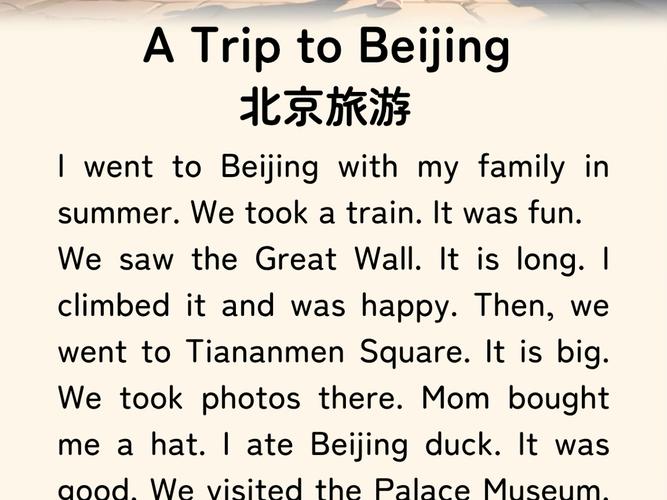
One of Beijing's most iconic landmarks is the Forbidden City, also known as the Palace Museum. Built during the Ming Dynasty in the early 15th century, this vast complex of palaces and courtyards was home to 24 emperors of the Ming and Qing dynasties. Covering an area of 720,000 square meters, it features 9,999 rooms, a number steeped in legend, as it was believed that only the heavens could have 10,000 rooms. The Forbidden City's architecture is a masterpiece of traditional Chinese design, with yellow roof tiles (a color reserved for royalty), red walls (symbolizing happiness and prosperity), and intricate dragon motifs. Today, it is one of the world's most visited museums, housing countless artifacts, paintings, and royal treasures that offer a window into imperial life.
Another symbol of Beijing is the Great Wall, a UNESCO World Heritage Site often described as one of the most magnificent man-made structures in the world. Stretching over 21,000 kilometers, the Great Wall was built over centuries to protect China from invasions. While sections of the wall exist across northern China, the Badaling and Mutianyu sections near Beijing are the most popular among tourists. Walking along the Great Wall, one can't help but marvel at the sheer scale and ingenuity of this ancient feat of engineering. The wall snakes across mountains and valleys, offering breathtaking views of the surrounding landscape. It stands as a testament to China's enduring spirit and rich history.
Beyond its historical sites, Beijing is a vibrant modern city with a thriving economy and a diverse cultural scene. The city's skyline is a mix of towering skyscrapers and traditional hutongs (narrow alleyways lined with courtyard homes). Areas like the Central Business District (CBD) are home to modern architectural marvels such as the CCTV Headquarters and the China World Trade Center Tower III, which symbolize Beijing's rapid development. Meanwhile, neighborhoods like Nanluoguxiang and 798 Art Zone offer a glimpse into the city's contemporary culture, with trendy boutiques, art galleries, and cafes attracting young people and artists from around the world.
Beijing's culinary scene is another highlight, offering a wide range of delicious dishes that reflect the city's rich culinary heritage. Peking duck, perhaps the most famous Beijing dish, is renowned for its crispy skin and tender meat. Traditionally served with thin pancakes, scallions, and sweet bean sauce, it has been enjoyed by emperors and commoners alike for centuries. Other local specialties include zhajiangmian (noodles with soybean paste), douzhi (soybean milk), and various types of dumplings. Food lovers can explore bustling markets like Wangfujing Snack Street, where they can sample an array of street foods, from grilled skewers to sugared haws.
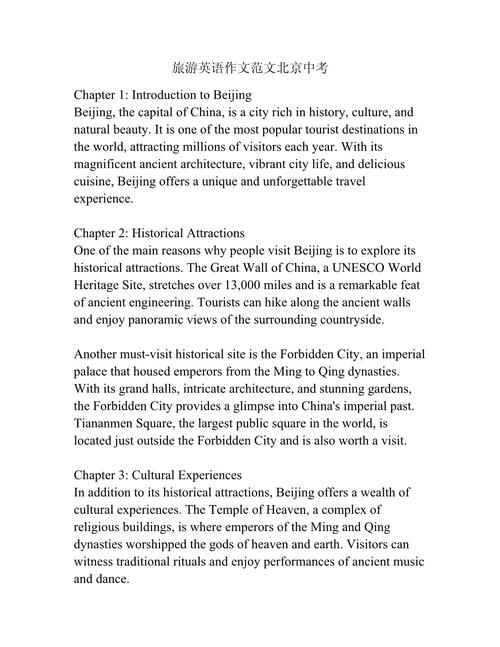
As a cultural hub, Beijing hosts numerous events and festivals throughout the year. The Spring Festival, or Chinese New Year, is the most important traditional festival, celebrated with family reunions, dumplings, and fireworks. The city comes alive with dragon dances, temple fairs, and red lanterns hanging from every corner. In autumn, the Mid-Autumn Festival is marked by mooncakes and lantern displays. Additionally, Beijing International Film Festival and Beijing Music Festival attract artists and audiences from around the globe, showcasing the city's vibrant arts scene.
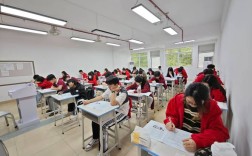
Education is also a key aspect of Beijing's identity. The city is home to some of China's most prestigious universities, including Peking University and Tsinghua University, which are renowned for their academic excellence and research. These institutions have produced many of China's most influential leaders, scientists, and scholars, making Beijing a center of learning and innovation. For students, Beijing offers a unique educational environment, combining traditional values with modern teaching methods.
In conclusion, Beijing is a city of contrasts, where ancient traditions coexist with modern innovations. From the majestic Forbidden City and the Great Wall to the bustling streets and modern skyscrapers, Beijing offers a rich and diverse experience for visitors and residents alike. Whether you are exploring its historical landmarks, savoring its delicious cuisine, or immersing yourself in its vibrant culture, Beijing is a city that leaves a lasting impression.
FAQs
-
What is the best time to visit Beijing?
The best time to visit Beijing is during spring (April to May) and autumn (September to October). During these seasons, the weather is mild and pleasant, with comfortable temperatures and less rainfall. Spring brings blooming flowers and greenery, while autumn offers clear skies and beautiful foliage, making it ideal for outdoor activities and sightseeing. Summer (June to August) can be hot and humid, with occasional heavy rainfall, while winter (November to February) is cold and dry, but the city looks magical with snow covering historical sites like the Forbidden City and the Great Wall. -
How can I experience traditional Beijing culture?
To experience traditional Beijing culture, you can visit the hutongs to explore courtyard homes and learn about local lifestyle, watch a Peking Opera performance at the Zhengyici Theatre, or try traditional crafts like paper-cutting and calligraphy. Attending a tea ceremony in a traditional teahouse or visiting the Temple of Heaven, where ancient emperors prayed for good harvests, are also great ways to immerse yourself in Beijing's rich cultural heritage. Additionally, don't miss the opportunity to taste authentic Beijing cuisine, such as Peking duck and various local snacks, which are an integral part of the city's culture.